Why Choose Cherian Clinic for Hair Transplant?
Expert Hair Surgeons
Our specialists are highly trained in advanced transplant techniques.
Painless
& Safe
Minimally invasive, virtually pain-free procedures.
Advanced Technology
Latest FUE, DHI, and PRP technologies for natural results.
Customized Treatment
Plans tailored to your hair type, goals, and scalp condition.
Affordable
Pricing
Transparent costs with EMI and flexible payment options.
OUR HAIR SPECIALTIES
Advanced Hair Restoration Solutions
Restore your confidence with our proven, painless, and affordable hair transplant services. Our expert care ensures natural results using the latest technologies and tailored treatments.

FUE Hair Transplant
Minimally invasive, scar-free solution.
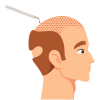
FUT Hair Transplant
High-density results for larger bald areas.
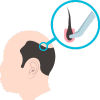
PRP
Therapy
Boost hair regrowth using your own plasma.

Beard
Transplant
Get a fuller, natural-looking beard.
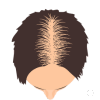
Hairline Restoration
Define and reshape your natural hairline.

Eyebrow Transplant
Achieve thicker, beautifully shaped brows.
💬 What Our Clients Say
📞 Don’t Wait! Your Hair Restoration Starts Today.
Book a consultation with our hair transplant specialists and take the first step towards a confident look.